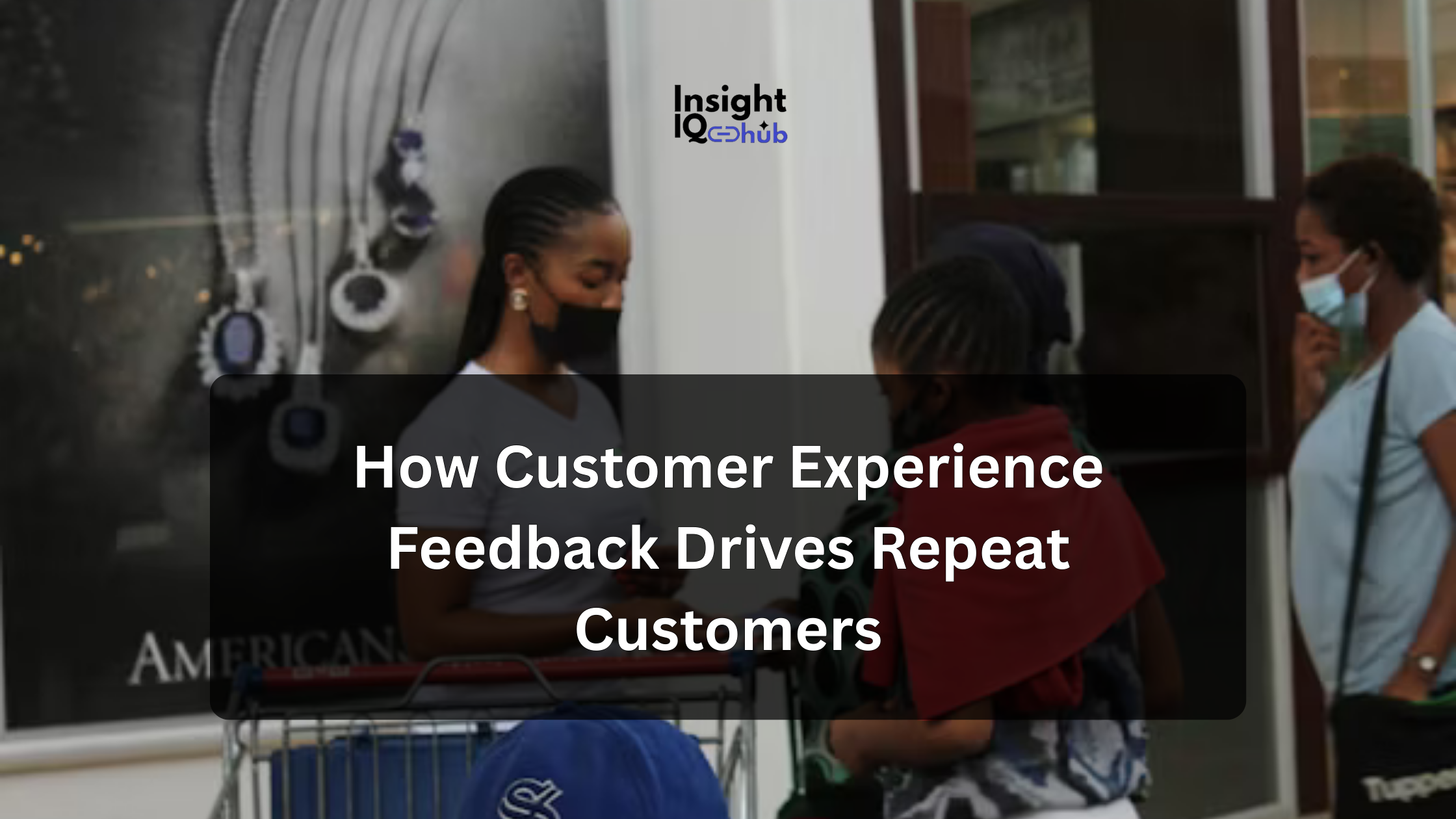
Of course, you should know that if your customers feel poorly treated, they will stop patronizing you.
That’s why the subject of customer experience must be given a lot of attention.
But here’s what many local business owners miss:
It’s not just about offering good service. It’s about actively listening to feedback and using it to improve the experience.
And when you do that, customers will keep coming and bring others along.
What Is Customer Experience And Why Is It Important?

Customer experience refers to how customers feel about every interaction with your business — from seeing your Instagram page (if you’re active there) to walking into your shop, to after-sales support.
It includes:
- Service quality
- Response time
- Staff attitude
- Product reliability
- Complaint handling
- Overall satisfaction
According to research from PwC, 73% of customers say experience is a key factor in their buying decisions. Yet many businesses still focus only on price.
In Nigeria, where trust is everything, experience can be your strongest competitive advantage.
How Feedback Directly Increases Repeat Customers
Here’s where it gets really powerful.
When customers give feedback — whether through WhatsApp, Google reviews, or face-to-face complaints — they’re telling you exactly how to keep them.
1. Feedback Helps You Fix What’s Driving Customers Away
Imagine you run a small restaurant in Ibadan. Customers love your food, but they keep complaining about waiting for too long before their order is served.
If you ignore it? They will stop coming.
The right thing to do is adjust the kitchen workflow and reduce wait time.
That’s the difference feedback makes.
2. Feedback Builds Emotional Loyalty
When a customer complains, and you respond professionally, you will most definitely get their attention and loyalty.
In fact, studies show that customers who have their complaints resolved quickly often become more loyal than those who never had issues.
That’s the power of smart customer experience management.
Read also: Affordable Customer Feedback Tools for Local Shops: Complete Guide for Nigerian Businesses
Practical Ways to Collect Customer Experience Feedback in Nigeria

You don’t need expensive software.
Easy Methods
- Ask customers directly after purchase
- Use Google Reviews
- Send WhatsApp follow-ups
- Run Instagram polls
- Use simple survey tools
- Use Insight IQ Hub
Turning Feedback Into Repeat Sales (The Feedback Loop Strategy)
Collecting feedback is step one. Acting on it is where the money is.
Here’s a simple feedback loop you can follow:
| Step | Action | Result |
|---|---|---|
| 1 | Collect feedback | Understand pain points |
| 2 | Analyze patterns | Identify recurring issues |
| 3 | Implement changes | Improve service delivery |
| 4 | Inform customers | Build trust |
| 5 | Monitor retention rate | Measure repeat business |
Read also: How to Handle Negative Customer Feedback: Complete Guide For Local Businesses In Nigeria
Common Mistakes Nigerian Business Owners Make
Avoid these:
- Ignoring negative reviews
- Taking complaints personally
- Focusing only on new customers
- Failing to track retention metrics
Remember: acquiring new customers costs more than keeping existing ones.
Key Metrics You Should Track

If you’re serious about growing through customer experience, track:
- Repeat Customer Rate
- Customer Lifetime Value (CLV)
- Net Promoter Score (NPS)
- Retention Rate
You can learn more about retention metrics from Harvard Business Review, which frequently publishes research on customer loyalty and profitability.
Conclusion
When you consistently collect feedback, act on it, and communicate improvements, you create:
- Trust
- Loyalty
- Predictable revenue
- Strong brand reputation
And that’s how repeat customers are built, not by accident, but by intention.
So here’s a simple question:
Are you listening to your customers or just selling to them?
The difference will determine whether they come back.