

One bad customer experience is all it takes to lose someone for good. In fact, up to 32% of customers will never come back after just one bad experience.
For small businesses, that’s a big deal. Unlike large companies, you don’t have the luxury of losing customers and hoping new ones show up. You rely on repeat buyers, word of mouth, and loyal relationships to grow.
That’s why customer experience is very important.
If a customer waits too long, feels disrespected, or leaves a bad review, it can hurt your reputation fast, and cut into your profits.
In this article, we’ll break down how a bad customer experience affects small businesses and what you can do to fix it. You’ll see real examples, learn simple ways to improve customer retention, and avoid the kind of negative reviews that kill businesses.
Why Every Bad Customer Experience Hurts Businesses
A. Lost Revenue & Global Stakes
Bad customer experience doesn’t just annoy people, it costs real money. A recent report from Qualtrics shows that businesses around the world risk losing $3.8 trillion each year because of poor customer service. That’s a huge loss, and small businesses feel it the most.
When a customer walks away unhappy, you don’t just lose one sale. You lose future sales, referrals, and possibly your reputation. And once trust is gone, it’s hard to get back.
B. Immediate Customer Exit
It’s not always that people give second chances. According to a study by PwC, 17% of customers will stop buying from a business after just one bad experience. If they have several bad ones, that number jumps to 59%.
For small businesses, that’s a serious problem. You work hard to get each customer, and losing them over something avoidable like slow service or a rude staff can crush your growth.
C. Online Reputation & Trust Damage
Negative reviews can destroy trust fast. Studies show that 92% of people are less likely to do business with a company that has lots of bad reviews (Help Scout).
For small businesses, this means one unhappy customer can do real damage, especially online. A single bad customer experience shared on social media or review sites can go out quickly and damage the reputation of your business.
People trust what other customers say, not just your ads. That’s why every review is important.
Common Triggers of Bad Customer Experience in Small Businesses
1. Long Wait Times & Inefficient Service
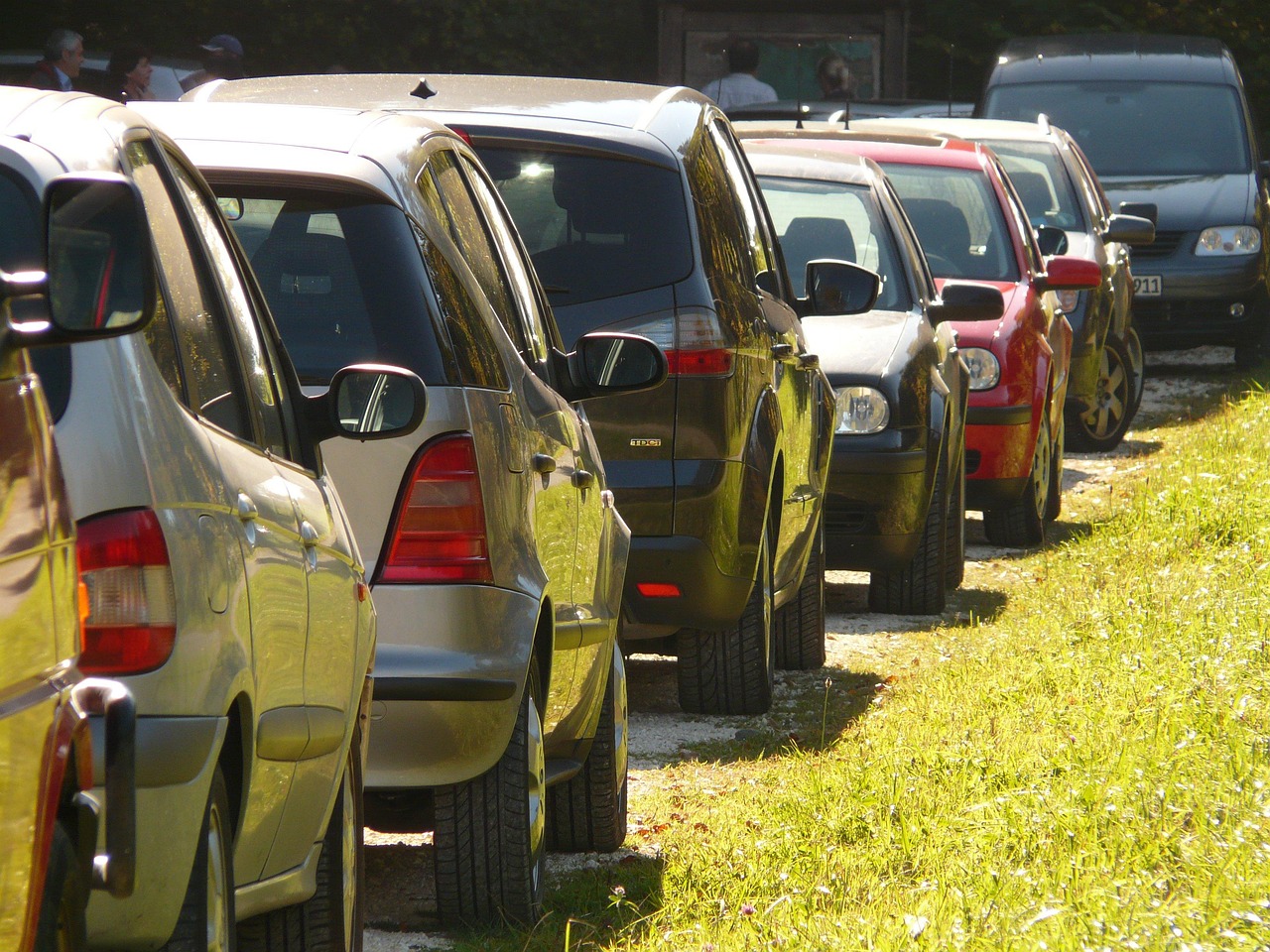
No one likes to wait too long, especially when they’re hungry, tired, or in a rush. In retail and service businesses, for example, long wait times are one of the biggest causes of bad customer experience.
If customers feel delayed and like their time is not respected, they’ll leave, and many won’t return. Service delays can quickly kill customer retention.
2. Rude or Unempowered Staff
Nothing turns customers off faster than rude or helpless staff. A report from VoCoVo shows that 75% of customers get frustrated when they feel disrespected or poorly treated.
For small businesses, this kind of bad customer experience is a deal-breaker. Even if your product is great, poor treatment will drive people away. And when staff aren’t trained or allowed to fix simple problems, it only makes things worse.
3. Stock-outs & Inventory Mismanagement
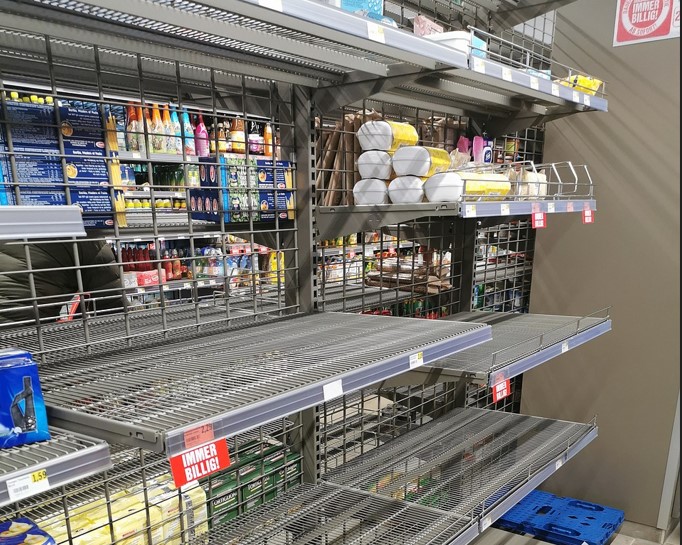
Imagine walking into a store to buy something you need, only to hear, “Sorry, we’re out of stock.” It’s frustrating. It’s one of the fastest ways to lose a customer’s trust.
When customers can’t find what they came for, they often leave and buy from someone else. If it happens more than once, they may never come back. That’s the impact of customer experience, even small moments like this can change how people feel about your business.
Running out of popular items or having poor inventory control shows customers you’re not prepared. And when shoppers feel like you waste their time, they tell others.
4. Outdated Payment/POS Systems
Slow payment methods can drive customers away. Long lines, glitchy card readers, or cash-only policies frustrate people, and they often just walk out. A study by TechRadar found that retailers lose billions every year due to outdated POS systems that cause delays and checkout issues.
For small businesses, this kind of bad customer experience is a silent killer. Customers may not complain, but they won’t come back either. And once a few people leave bad reviews or tell friends, your reputation takes a hit.
5. Inconsistent or Disrespectful Communication
If a customer feels ignored, lied to, or disrespected, they’re likely to leave and tell others about the bad experience.
How you talk to customers is important. If your messages are rude, unclear, or don’t match what you promised, people notice, and they talk about it. One bad customer experience can go viral fast, especially when someone posts about it online.
Small businesses don’t get many chances to make a good impression. That’s the real impact of customer experience: it travels fast and far.
Even small things like ignoring a message, using a harsh tone, or blaming the customer can spark complaints. And once it hits social media, it can hurt your brand more than you expect.
6. Lack of Empathy / Inflexibility
Customers don’t just want service, they want to feel understood. When a small business shows no empathy or refuses to be flexible, it creates a bad customer experience that people don’t forget.
Maybe a customer needs to return an item a day late. Or they’re going through a tough time and need extra help. A cold “policy is policy” answer might be easy, but it pushes people away. The impact of customer experience is emotional, not just practical.
Small businesses have an edge over big chains, they can offer a personal touch. But when they act like robots or stick to the rules no matter what, they lose that advantage.
Consequences of Bad Customer Experience Across the Business Spectrum
1. Reputation & Word-of-Mouth Damage
One bad customer experience can turn into a bad story, and bad stories spread fast. When people feel mistreated, they tell their friends, post online, or leave negative reviews. That’s how small customer experience mistakes become big problems.
For small businesses, word-of-mouth is powerful. It can bring in loyal customers or chase them away. Even if the issue was small, how it made the customer feel is what they’ll remember and share.
2. Reduced Customer Loyalty & Repeat Business
Human beings don’t stick around when treated poorly. A bad customer experience, even just one bad experience, is enough to stop someone from coming back. And once they’re gone, they usually don’t tell you, they just disappear.
Small businesses depend on repeat buyers to grow. But when customers experience poor service from a rude staff, slow service, or broken promises, they lose trust fast.
3. Loss of Employee Morale & Talent
It doesn’t just affect your customers; bad customer experience affects your team too. Dealing with angry or upset customers all the time wears people out. According to a report by Gallup, 76% of employees experience burnout at least sometimes, and constant stress is a big reason.
When your staff feels unsupported or blamed for customer issues, they lose motivation. Some even quit.
4. Missed Marketing Opportunities
Your best marketing tool is a happy customer. But when people have a bad experience, they don’t tell others to try your business; they warn them to stay away.
Great service turns customers into promoters. They leave good reviews, bring friends, and post online. That kind of word-of-mouth is free, powerful, and more trusted than ads.
When your service is poor, you miss all of that. You also waste your ad budget if customers leave after the first visit.
READ ALSO: 10 Reasons Your Small Business Is Not Getting Repeat Customers (And How To Fix This Fast)
How To Fix Bad Customer Experience Fast
1. Begin With The Simple Things
You don’t need anything fancy to avoid a bad customer experience; just get the basics right. Customers want fast service, friendly staff, and people who know what they’re doing. A PwC report found that 73% of customers say speed, convenience, and helpful employees are what matter most.
If small businesses focus on these simple things, they’ll see better results. It also helps with customer retention strategies, because people come back when they feel respected and taken care of.
The negative impact of customer experience is huge, but the fix often starts with just being better at the everyday stuff.
2. Invest in Smart Tools
Sometimes, the best way to fix a bad customer experience is with the right tools. Long lines, missed messages, and slow payments all push customers away.
According to TechRadar, outdated POS systems cost businesses billions every year. Tools like queue managers, CRMs, helpdesks, or SoftPOS apps can speed things up and improve service.
When you invest in smart systems, your team works faster and customers stay happier. That’s how small businesses improve customer retention strategies and reduce the impact of customer experience mistakes. Good tools don’t have to be expensive, but they must be useful.
3. Own Online Reputation
If you’re serious about learning how to improve customer experience, start by owning your online reputation. Today’s customers trust reviews more than ads. If they see too many negative comments with no replies, they’ll move on.
Check review platforms regularly. Respond quickly, whether it’s a thank-you or an apology. Show people you’re listening. This isn’t just damage control; it’s smart branding.
Reputation marketing is powerful. One thoughtful reply can turn a critic into a fan. Ignoring bad feedback? That’s one of the biggest customer experience mistakes a small business can make. Stay present, stay polite, and stay involved. It’s your business.
4. Inventory & Resource Planning
Use simple tools or reports to track what’s selling, what’s not, and when to restock. Don’t wait until the shelf is empty. Plan ahead.
Inventory issues send the message that you’re not prepared. That hurts trust and repeat business. With smarter planning, you keep your shelves full, your staff ready, and your customers happy. Reliable supply shows you care about their time and loyalty.
5. Train & Empower Staff
Start with your team!
Your staff should be trained not just to follow rules, but to understand people. Teach empathy, quick thinking, and how to adapt when things go wrong.
More importantly, empower them. Let them solve small problems on the spot without needing approval for everything. It builds trust with customers and saves time.
People remember how they were treated more than what they bought. If your team is friendly, helpful, and confident, the entire customer experience gets better—fast. That’s a win for your brand and your bottom line.
6. Collect & Leverage Feedback
If you really want to know how to improve customer experience, don’t guess, ask. The best way to fix what’s not working is to hear it directly from your customers.
That’s where Insight IQ Hub comes in. It’s a simple tool built for small businesses to collect real-time customer feedback and turn it into clear, useful insight. You can hear what your customers are saying, what’s frustrating them, and where to improve, all in one place.
When you consistently ask for feedback and act on it, customers feel heard. That builds trust, strengthens loyalty, and helps you improve before problems become complaints.
This is how Insight IQ Hub works:
7. Set Healthy Customer Boundaries
Improving customer experience doesn’t mean letting people treat your team poorly. There’s a line between service and self-respect. Teaching staff to handle abusive behavior calmly and firmly is just as important as training them to smile.
Eater Chicago reported several cases where businesses had to push back against rude or aggressive customers. The public supported those who stood up for their teams.
Set clear boundaries, respond with professionalism, and make it clear your business values dignity over drama.
Case Highlights
1. Café Runs Out of Bread—Twice
A Melbourne café recently went viral for all the wrong reasons. A popular food blogger visited the trendy spot only to find that, once again, they were out of bread, a basic item for a brunch café. This was the second time it had happened, and the blogger didn’t hold back. They shared their frustration online, pointing out how much time they wasted, how it disrupted their plans, and how poorly the café managed expectations.
The bad customer experience sparked public backlash, with people criticizing the café for poor planning. Though the owners eventually responded, the damage was done. It’s a clear example of how simple inventory issues can quickly spiral into reputation damage.
2. Influencer’s “Sandwich Scam” Goes Viral
In another case, a popular influencer slammed a New York diner for serving a sandwich that looked nothing like the photo on the menu. In her viral post, she shared side-by-side images showing a thick, loaded sandwich in the ad versus the flat, underwhelming meal she actually received. She called it “misleading” and said she felt “absolutely raging.” – New York Post
The post gained massive attention and sparked harsh criticism of the diner. This bad customer experience led to widespread embarrassment and a flood of negative comments online. It’s a lesson in why honesty is important; overpromising and underdelivering can damage your brand.
Conclusion
A bad customer experience hurts your business. It leads to lost sales, damaged reputation, staff burnout, and missed growth opportunities. And in today’s world, even one mistake can go viral.
The good news is you can get ahead of it. Small businesses that act early by improving service, fixing weak spots, and listening to feedback have a real edge over those that don’t.
So take a step back and audit your customer experience. What’s working? What’s not? Invest in the fixes that matter, and keep checking in.
And if you need a tool to start hearing from your customers directly, click here and start using Insight IQ Hub today.
Now it’s your turn. What’s the worst customer experience you’ve seen (or fixed)? Share in the comments.


2 thoughts on “How Bad Customer Experience Kills Small Businesses in 2025 (and How To Fix It Fast!)”